Want your content to stand out in ChatGPT’s answers? The rise of AI tools like ChatGPT has introduced a new way users search for information, shifting from traditional short keyword searches to longer, conversational prompts. This change has given birth to Generative Engine Optimization (GEO) – a strategy that focuses on making your content AI-friendly.
Here’s what you need to know:
- ChatGPT users ask longer, complex questions (average 23 words per prompt), unlike Google’s 4-5 word queries.
- 70% of ChatGPT prompts are unique, meaning users are exploring new ways to search.
- AI platforms prioritize clear, well-structured, and accurate content over keyword-heavy pages.
- GEO is about creating content that AI trusts and references in its responses.
If you’re not optimizing for ChatGPT, you risk losing visibility as AI-driven search grows. This guide breaks down how to tailor your content for ChatGPT, including natural language optimization, structured data, and strategies for Bing and high-authority sites.
What is Generative Engine Optimization (GEO)
Generative Engine Optimization (GEO) is reshaping the landscape of digital marketing. Unlike traditional SEO, which focuses on improving web page rankings in search engine results, GEO is all about crafting content that large language models like ChatGPT, Claude, and Bard can easily find, understand, and reference.
The key difference lies in how these systems handle information. Traditional search engines rely on crawling websites and matching keywords to user queries. Generative AI systems, on the other hand, go deeper – they analyze text to grasp context, meaning, and the relationships between ideas. Instead of generating a list of links, they synthesize information from various sources to produce coherent responses.
With GEO, the focus shifts from keyword density to creating content that’s rich in meaning and context. The goal isn’t about ranking for a specific term; it’s about becoming the trusted source that AI systems turn to when crafting responses on a particular subject.
Content discovery also works differently. While traditional search engines emphasize backlinks and domain authority, generative AI prioritizes content quality, accuracy, and thorough coverage of topics. These systems pull from the most reliable and well-structured information they can find.
This shift has big implications for digital marketing. Outdated tactics like keyword stuffing or excessive link building won’t cut it anymore. Instead, businesses need to produce content that showcases real expertise and delivers clear, accurate answers to complex questions.
In the next section, we’ll dive into how you can optimize your content specifically for ChatGPT.
ChatGPT SEO Explained
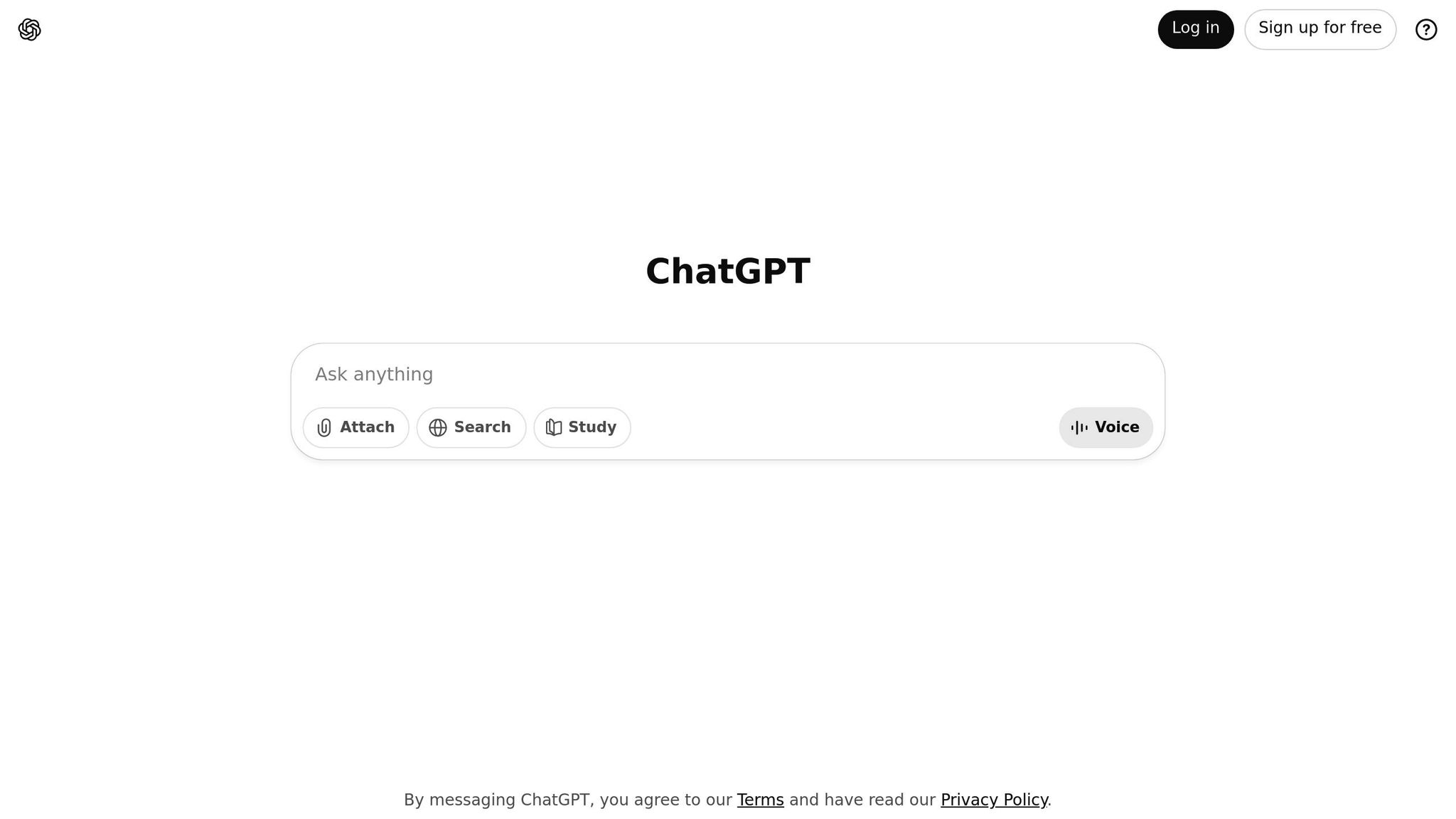
ChatGPT SEO focuses on tailoring your content to increase its chances of being referenced in ChatGPT’s responses. To do this, you need to understand how ChatGPT processes and prioritizes information.
ChatGPT evaluates language patterns and context to identify content that’s clear, well-organized, and conversational. When users ask questions, ChatGPT synthesizes answers by drawing from its training data, which includes sources that provide concise, relevant, and easy-to-understand information.
Content that mimics natural speech and answers questions directly has a better chance of being used. This approach not only aligns with how AI systems process information but also builds trust and drives traffic to your brand.
The structure of your content plays a big role, too. ChatGPT tends to favor information that’s broken down with clear headings and presented in a logical flow. Step-by-step explanations and contextual details around key points make your content more likely to be referenced.
Accuracy is another crucial factor. ChatGPT is trained to prioritize reliable and well-sourced information. Including specific data, dates, and verifiable facts in your content boosts its credibility and increases the likelihood of it being referenced, compared to vague or unsupported claims.
Business Benefits of ChatGPT SEO
Adopting ChatGPT SEO strategies can deliver tangible benefits for your business. When your content is referenced in AI-generated responses, your brand gains visibility and credibility. This exposure can attract high-intent traffic, as users who find you through AI responses often come with a clearer understanding of your expertise, making them more qualified leads.
The authority you build through consistent AI references is invaluable. When AI systems repeatedly cite your content, it signals to users – and other platforms – that you’re a trusted expert in your field. This can lead to a ripple effect of increased backlinks, media mentions, and partnership opportunities.
Being an early adopter of GEO gives your brand a competitive edge. Many businesses have yet to adjust their content strategies for AI systems, leaving room for forward-thinking companies to position themselves as leaders in their industries.
Another advantage is cost efficiency. Traditional SEO often involves significant spending on link building and technical optimizations. In contrast, GEO focuses on creating high-quality, well-structured content, which can achieve strong AI visibility without the ongoing costs of traditional SEO campaigns.
Finally, there’s the long-term payoff. As conversational AI continues to shape the way people search for information, businesses that invest in ChatGPT SEO now will be better prepared to capture growing AI-driven traffic. This early investment sets the stage for sustained visibility as user habits increasingly shift toward AI-powered search tools.
How to Optimize Content for ChatGPT
ChatGPT SEO requires a shift from old-school keyword strategies to a more context-focused approach. With ChatGPT handling over 1 billion queries daily, there’s a huge opportunity to boost visibility – if your content aligns with how AI systems process and interpret information.
Unlike traditional search engines that rely heavily on keywords, ChatGPT prioritizes meaning, context, and structure. To optimize effectively, focus on creating content that’s clear, authoritative, and written in natural, conversational language. Let’s start with natural language optimization.
Natural Language Optimization
To connect with ChatGPT’s conversational nature, prioritize natural phrasing over rigid keywords. Instead of targeting short, robotic phrases, think about how people naturally ask questions when using AI. For example, queries like "how to fix a leaky faucet" or "what causes kitchen faucets to drip constantly" mimic the conversational tone users often adopt.
This question-based approach not only matches ChatGPT’s training but also makes your content more relevant. For instance, instead of a generic header like "Faucet Repair Methods", go for something more direct, such as "How Do You Fix Different Types of Faucet Problems?" Additionally, consider semantic relationships between terms – like "automobile maintenance", "car care", and "vehicle servicing" – to ensure your content covers related topics thoroughly.
Creating Clear and Authoritative Content
Organizing your content clearly is essential for ChatGPT optimization. Use well-structured headers and subheaders (H1, H2, H3) to guide the AI in navigating your content. Bullet points and numbered lists can help break down complex ideas into digestible pieces.
To make your content even more accessible, include concise summaries at the beginning or end of sections. These summaries highlight key takeaways, making it easier for ChatGPT to extract and reference important information. Establishing authority is just as critical – back up your content with verified facts, expert opinions, detailed author bios, and citations from trusted sources to boost credibility. Once your content is clear and authoritative, the next step is leveraging structured data.
Implementing Structured Data and Schema Markup
Structured data, like schema markup, adds an extra layer of clarity to your content, making it easier for AI tools to understand and reference. For instance, FAQ schema aligns perfectly with the question-and-answer format users expect, while HowTo schema works well for step-by-step guides or tutorials. Article schema can provide valuable context about your topic, publication date, and author details, enhancing your content’s credibility.
To implement schema markup efficiently, tools like Google’s Structured Data Markup Helper can simplify the process. Once added, validate your markup using Google’s Rich Results Test to ensure it’s functioning correctly. If you’re in e-commerce or product reviews, product schema can highlight specifications, pricing, and reviews, increasing the chances of your content being cited when users ask specific questions.
Using Bing and High-Authority Platforms
Boosting your content’s visibility takes a strategic approach, and Bing’s AI features, combined with mentions from high-authority platforms, can play a significant role. With Microsoft’s integration of AI technology into Bing’s search infrastructure, optimizing for this platform could increase the chances of your content being referenced in AI-driven responses. Since many AI systems prioritize authoritative and well-organized sources, a strong presence on Bing can complement your overall SEO efforts. Let’s dive into ways to improve your visibility on Bing.
How to Improve Visibility in Bing
Getting noticed on Bing requires specific strategies. Start by setting up a Bing Webmaster Tools account and submitting your sitemap. Bing often follows a different indexing timeline than other search engines, so submitting early ensures your content gets discovered sooner.
Next, focus on using exact-match keywords in your titles, meta descriptions, and headers. For example, if you’re targeting "small business accounting software", incorporate that exact phrase to highlight relevance for Bing’s algorithms.
If you’re a local business, optimizing your Bing Places for Business profile is essential. Make sure your listing includes accurate operating hours, up-to-date contact information, and high-quality images. A complete and polished local profile helps you stand out when users search for location-specific services.
Additionally, structured data is a powerful tool for AI discoverability, and a well-built Bing profile reinforces your online authority. Pair this with fast-loading pages, easy-to-navigate site design, and an active social media presence to boost your credibility in Bing’s rankings.
Getting Mentions from High-Authority Sites
Mentions from respected, high-authority platforms can significantly enhance your site’s reputation. References from outlets like Forbes, Harvard Business Review, or other industry leaders not only solidify your expertise but also increase the chances of your content being recognized by search engines and AI systems.
One effective way to gain these mentions is through guest posting. By contributing well-researched articles, guides, or case studies to reputable sites, you can position yourself as an expert in your field while earning valuable backlinks.
Another strategy is leveraging digital PR and tools like HARO (Help a Reporter Out) to secure high-quality citations. These authoritative links not only boost your site’s credibility but also improve its visibility in AI-driven platforms. Together, these tactics support a well-rounded optimization strategy.
Bing vs Google Optimization for ChatGPT
When deciding how to allocate your resources, comparing Bing and Google optimization can help. Below is a breakdown of key differences:
| Factor | Bing Optimization | Google Optimization |
|---|---|---|
| AI-Driven Visibility Impact | Bing’s AI features may offer quicker visibility benefits. | Google’s larger index supports long-term authority for AI systems. |
| Keyword Strategy | Prioritizes exact-match keywords. | Focuses on semantic relationships and related terms. |
| Social Signals | Social engagement can influence rankings. | Social signals are considered but less directly impactful. |
| Content Freshness | Often favors newer content for timely queries. | Balances fresh content with established authority. |
| Local SEO | Bing Places for Business is key for local visibility. | Google My Business is essential for local search success. |
| Technical Considerations | Structured data, fast-loading pages, and clear navigation are critical. | Advanced crawling and quality assessments reinforce site authority. |
While Bing’s AI-driven search features can provide faster visibility, Google’s extensive indexing remains a cornerstone of long-term digital authority. By optimizing for both platforms, you can maximize your content’s reach and ensure it connects with audiences across emerging AI-powered tools.
sbb-itb-7a53647
Building Authority and Trust for AI Systems
After optimizing your content and structuring your data, the next step in GEO (Generative Engine Optimization) is building authority and trust. This involves aligning with how AI systems, like ChatGPT and other large language models, assess trustworthiness and credibility. These systems prioritize content that demonstrates expertise and authority while being technically optimized for easy discovery.
At its core, earning AI trust means combining strong content signals with a solid technical foundation. AI evaluates your content based on indicators like reliability, structure, and credibility. These signals not only enhance your content’s reputation but also pave the way for the technical strategies discussed later.
Using E-E-A-T Signals
Experience, Expertise, Authoritativeness, and Trustworthiness (E-E-A-T) are crucial for establishing credibility with AI systems.
To showcase experience and expertise, include specific examples like case studies, verified credentials, or measurable results. For instance, instead of saying, "we help companies grow", say, "we’ve helped over 150 SaaS companies boost their monthly recurring revenue by an average of 40% in one year." Use detailed, well-researched content that incorporates industry terminology and references current trends. Author bios should highlight relevant certifications, credentials, and years of experience.
Authoritativeness grows through recognition by peers and industry leaders. Mentions in respected publications, speaking engagements, and citations by other experts all contribute to this. Your website’s "About" page should highlight your credentials and link to professional profiles or achievements.
Trustworthiness involves transparency and reliability. Include clear contact information, a detailed privacy policy, and ensure your content is accurate and regularly updated. If you make claims, back them up with reputable data. Address errors promptly and acknowledge when updates are made.
Getting High-Quality Backlinks
Quality backlinks act as endorsements, signaling to AI systems that your content is valuable and credible.
Focus on earning links from websites that already rank well in AI-generated responses. These sites have established trust with AI systems, and their endorsement carries weight. Research which sites frequently appear in ChatGPT responses for your industry, and build relationships with those publishers.
- Guest posting on respected platforms allows you to share unique insights or data. Target high-authority publications like Harvard Business Review, Forbes, or relevant trade magazines.
- Digital PR campaigns can generate multiple backlinks by creating newsworthy content, such as original research, surveys, or trend analyses. When journalists or bloggers reference your work, they typically link back to the source.
- HARO (Help a Reporter Out) connects you with journalists seeking expert input. Thoughtful responses to queries can earn mentions in major publications.
- Collaborate with complementary businesses to co-create content like industry reports or webinars, benefiting both parties through shared authority and cross-linking.
While backlinks and E-E-A-T signals establish authority, technical SEO ensures AI systems recognize and utilize that authority.
Technical SEO for AI Discoverability
Technical optimization is essential for AI systems to find, understand, and trust your content. Without a strong technical foundation, even the most credible content might be overlooked.
"When it comes to AI-powered search, visibility isn’t just about ranking – it’s about being included in the answer itself." – Lauren Busby, Co-Founder of Trebletree
Start with schema markup to help AI systems interpret your content. Use formats like FAQPage, HowTo, Product, Article, Organization, and Review with JSON-LD. Validate your schema with tools like Google’s Rich Results Test and Schema Markup Validator. Keep your schema aligned with visible content – outdated or mismatched data erodes trust.
"Structured data is now the roadmap that shows AI exactly what’s on your page and why it’s worth highlighting." – Prerender.io
Site speed and performance are also key. Slow or unreliable sites risk being ignored by AI systems. Optimize images with formats like WebP or AVIF, and eliminate render-blocking CSS and JavaScript. Aim for load times under 200 milliseconds.
"In GEO, speed is often a qualifier. Generative engines pull from billions of pages. If yours is slow or unstable, they can skip it in favor of faster, more reliable sources." – Lauren Busby, Co-Founder of Trebletree
Content structure should prioritize clarity and machine readability. Use logical, descriptive URLs and maintain a clear header hierarchy (H1-H6). Organize information with structured elements like tables and lists instead of long paragraphs.
"LLMs don’t parse walls of text; they need clarity and modularity." – Drivenly
Ensure your site’s technical infrastructure supports AI crawlers. Important pages should remain crawlable, with proper XML sitemaps and <lastmod> tags. Secure your site with HTTPS and valid SSL certificates.
For JavaScript-heavy sites, avoid hiding core content behind client-side rendering. Many AI crawlers struggle with JavaScript, so use server-side rendering for essential content. Tools like Prerender.io can create indexed versions of JavaScript-based pages, ensuring all content is accessible to AI systems.
How to Measure ChatGPT SEO Performance
Measuring ChatGPT’s impact on SEO requires a different approach. Unlike tools like Google Analytics, there’s no built-in dashboard to track how often ChatGPT mentions your brand or references your content. This lack of direct analytics presents both challenges and opportunities for businesses willing to rethink their measurement strategies.
Challenges in Measuring ChatGPT Visibility
One of the biggest hurdles is the absence of clear metrics – there’s no such thing as "ChatGPT impressions" or "AI mention rate." A study revealed that only 62% of Google’s first-page rankings overlap with ChatGPT mentions, with a correlation of just 0.034 between the two. Even when browsing is enabled in ChatGPT, the alignment with Google results improves by only 1%. These numbers highlight that Generative Engine Optimization (GEO) is its own game, requiring unique methods to track and improve performance.
Another complication is the variability in ChatGPT’s responses. The same query might generate different outputs, making consistent brand visibility harder to measure.
Methods for Monitoring Performance
Despite these challenges, there are ways to monitor and evaluate your performance effectively:
- Manual Testing: Regularly run a curated list of 20–30 relevant queries in ChatGPT. Document when and how your brand shows up in the responses.
- Specialized Tracking Tools: Use automated tools to monitor ChatGPT’s answers for your target queries. These tools can detect brand mentions, track links, and evaluate your ranking in the responses.
- Competitive Benchmarking: Compare your visibility to competitors. This helps identify gaps in your strategy and uncovers areas where competitors are outperforming you.
- Trend Analysis: Monitor your ChatGPT visibility over time to spot trends, seasonal shifts, or the effects of specific optimization efforts. Review actual ChatGPT responses to assess context and sentiment.
Steps for Ongoing Optimization
To maintain and improve your visibility, ongoing refinement is key. Here are some strategies to focus on:
- Content Gap Analysis: If competitors appear in responses where you don’t, analyze their content for structure, topic depth, and authority signals to understand what’s working for them.
- Response Quality Check: Review ChatGPT’s answers to ensure they accurately reflect your key messages. If they don’t, it could signal unclear or inconsistent messaging.
- Broaden Query Coverage: Explore related topics to increase the chances of your brand being included in more queries.
- Authority Signals: Track which factors – like specific backlinks, schema markup, or content formats – help improve your visibility in ChatGPT responses.
- Technical Audits: Regularly review your site’s schema markup, speed, and content structure to ensure your site is optimized for AI discoverability.
Unlike traditional SEO, where changes in rankings can happen within weeks, improving your appearance in ChatGPT responses often takes months of consistent effort. By building a system to measure both how often you’re mentioned and the quality of those mentions, you’ll be better equipped to make meaningful adjustments. These efforts, combined with strong technical and content strategies, will help ensure your brand stays visible in ChatGPT’s evolving ecosystem.
Conclusion: ChatGPT SEO Success Strategies
Optimizing for ChatGPT visibility requires a different approach than traditional SEO. While Google SEO aims to rank web pages, Generative Engine Optimization (GEO) focuses on ensuring your content is accurately referenced in AI-generated responses.
The key to succeeding in ChatGPT SEO lies in crafting content that’s both authoritative and easy for AI systems to interpret. This includes using tools like schema markup, structuring content with clear headings, and providing accurate, well-sourced details. Since ChatGPT often pulls information from high-authority platforms, building a strong backlink profile can significantly improve your visibility. This ties back to the importance of technical clarity and signaling authority.
Beyond these foundational steps, think about platform-specific strategies. For instance, optimizing for Bing is a smart move. Microsoft’s Bing plays a major role in many AI-driven search pathways, so aligning with Bing’s ranking factors – such as technical SEO improvements and local SEO – can help expand your reach.
Tracking the effectiveness of ChatGPT SEO can be tricky, as traditional metrics don’t always align. To gauge performance, consider innovative methods like regular manual testing and competitive analysis. These approaches can offer valuable insights into how well your content is performing in AI-driven environments.
FAQs
What is Generative Engine Optimization (GEO), and how is it different from traditional SEO for platforms like ChatGPT?
Generative Engine Optimization (GEO) is all about tailoring content for AI-driven platforms like ChatGPT, rather than focusing on traditional search engines like Google. While SEO revolves around elements like keywords, backlinks, and site speed to climb search rankings, GEO shifts the focus to content quality, accuracy, and clarity. These factors ensure that AI systems can easily interpret and incorporate your content into their responses.
This strategy matters because AI platforms depend on well-structured, reliable information to produce precise and relevant answers. By adopting GEO principles, businesses can boost their visibility and establish themselves as trusted sources in AI-generated results, staying ahead in the ever-changing digital world.
How can businesses ensure their content is trusted and referenced by AI systems like ChatGPT?
To ensure that AI systems like ChatGPT recognize and rely on your content, focus on producing accurate, well-researched, and authoritative material. This means your content should be thoroughly fact-checked and easy to verify, reducing the risk of it being ignored or misrepresented by AI.
Incorporate clear citations and structured data to enhance both discoverability and credibility. AI tools are more likely to reference sources that are well-organized and dependable. Additionally, cultivating a strong online presence with quality backlinks can improve your content’s visibility and authority, making it more likely to appear in AI-generated responses.
By emphasizing trustworthiness, clarity, and accessibility, you can position your content as a go-to resource for AI systems.
How can businesses evaluate the success of their ChatGPT SEO strategies without traditional analytics tools?
Businesses looking to measure the impact of their ChatGPT SEO strategies should pay attention to metrics that reflect visibility within AI-driven platforms. Some key indicators include tracking brand mentions in ChatGPT outputs, monitoring how often your business is cited in its responses, and observing changes in organic search traffic or keyword rankings.
You can also evaluate shifts in search engine impressions and user engagement metrics, such as click-through rates. While traditional analytics tools might not fully capture AI-specific performance, focusing on these signals can help you gauge how well your strategy is working.